A new development in non-destructive testing materials is gaining attention. Manufacturers now use hot pressed boron nitride ceramic blocks to make ultrasonic testing delay line wedges. These wedges help direct sound waves during inspections of metal parts and structures. The boron nitride material offers high thermal stability and excellent acoustic properties. It also resists wear and performs well under repeated use.
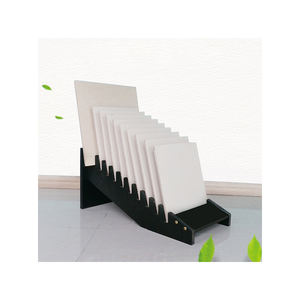
(Hot Pressed Boron Nitride Ceramic Blocks for Manufacturing Ultrasonic Testing Delay Line Wedges)
The production process involves hot pressing, which creates a dense and uniform ceramic structure. This method ensures consistent performance across every block. Engineers value the material because it maintains its shape and function even at high temperatures. That makes it ideal for demanding industrial environments.
Traditional wedge materials often degrade faster or scatter sound waves unevenly. Boron nitride solves these issues. Its smooth internal structure allows clean transmission of ultrasonic signals. This leads to more accurate test results. Companies using this material report fewer false readings and longer service life for their testing tools.
Suppliers are scaling up production to meet rising demand. Aerospace, automotive, and energy sectors show strong interest. These industries rely on precise ultrasonic testing to ensure safety and quality. The new ceramic blocks support that goal without adding complexity to existing systems.
The material works with standard wedge designs. No major changes to equipment or procedures are needed. Technicians can adopt it right away. Early adopters say setup time is short and training requirements are minimal. This ease of integration speeds up deployment across inspection teams.
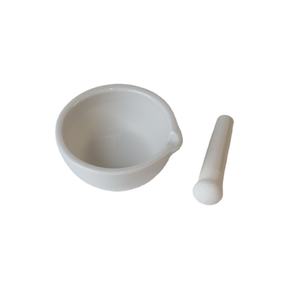
(Hot Pressed Boron Nitride Ceramic Blocks for Manufacturing Ultrasonic Testing Delay Line Wedges)
Hot pressed boron nitride ceramic blocks are now available through select industrial suppliers. Orders are filling quickly as word spreads about their reliability. Users continue to share positive feedback from real-world applications.