A new application for boron nitride ceramic tubes is gaining attention in electronics manufacturing. These tubes are now being used in liquid metal pumps that handle molten solder. The key advantage lies in their ability to resist wetting—a common problem when metals come into contact with hot, flowing solder.
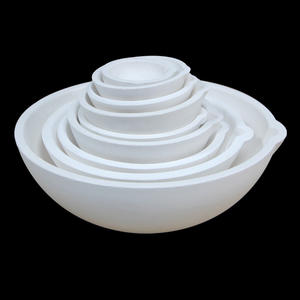
(Boron Nitride Ceramic Tubes for Liquid Metal Pumps Handle Molten Solder Without Wetting)
Boron nitride is known for its thermal stability and chemical inertness. When shaped into precision tubes, it forms a smooth, non-reactive surface. This surface stops molten solder from sticking or spreading across it. As a result, pumps using these tubes run cleaner and last longer.
Traditional pump materials often degrade quickly under high heat and corrosive conditions. Metal parts can corrode, while some ceramics crack or react with the solder. Boron nitride avoids these issues. It stays intact even after long exposure to temperatures above 800°C.
Manufacturers report fewer maintenance stops and less downtime since switching to boron nitride tubes. The material also helps maintain consistent solder flow, which improves product quality in wave soldering and other processes. Operators note that cleaning cycles are shorter and less frequent.
The tubes are made through a specialized forming process that ensures uniform wall thickness and tight dimensional tolerances. This precision matters because even small inconsistencies can cause flow disruptions or leaks in high-performance systems.
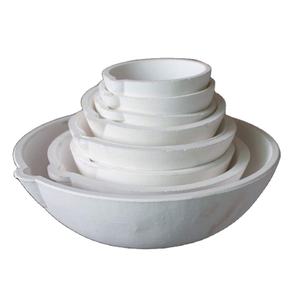
(Boron Nitride Ceramic Tubes for Liquid Metal Pumps Handle Molten Solder Without Wetting)
Demand for these components is rising as electronics assembly lines push for higher reliability and efficiency. Companies producing advanced circuit boards see boron nitride ceramic tubes as a practical upgrade over older solutions. The material’s performance in real-world settings continues to support its growing adoption across the industry.