A new development in high-performance materials is set to improve the efficiency of metal powder production. Boron nitride ceramic rings are now being used as nozzle inserts in centrifugal atomization systems for molten metals. These rings offer exceptional thermal stability and resistance to chemical reactions at extreme temperatures.
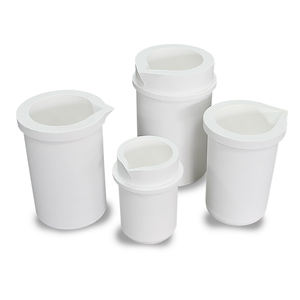
(Boron Nitride Ceramic Rings for Nozzle Inserts for Centrifugal Atomization of Molten Metals)
Centrifugal atomization is a key process in making fine metal powders used in aerospace, medical implants, and additive manufacturing. The process involves spinning a disc or cup at high speeds while pouring molten metal onto it. The metal breaks into droplets that cool quickly into spherical particles. The nozzle insert plays a critical role in controlling the flow and distribution of the molten stream.
Traditional metal nozzles often wear out fast or react with certain molten alloys. Boron nitride solves this problem. It does not melt or degrade easily. It also releases the metal cleanly without sticking. This means longer service life and less contamination in the final powder.
Manufacturers report smoother operations and reduced downtime since switching to boron nitride inserts. The material’s low thermal expansion helps maintain precise dimensions during repeated heating and cooling cycles. This consistency leads to more uniform powder size and shape.
The ceramic rings are machined to tight tolerances to fit existing atomizer setups. They work well with reactive metals like titanium and zirconium, which are hard to process with standard components. Early adopters say the change has cut maintenance costs and improved product quality.
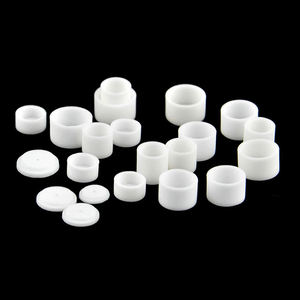
(Boron Nitride Ceramic Rings for Nozzle Inserts for Centrifugal Atomization of Molten Metals)
Boron nitride’s unique combination of properties makes it ideal for this demanding application. It handles heat better than most ceramics and stays inert when in contact with aggressive melts. As demand grows for high-purity metal powders, this innovation offers a reliable solution for producers looking to scale up without sacrificing performance.